


Part 1. Reclaiming the Clear Mind: An Integrative Guide to Dementia Prevention

Updated: Sep 26
Welcome to the Klinic health blog.
When we think about aging, many of us share a silent, collective fear: the loss of our cognitive clarity, our memories, and our independence. For decades, the mainstream medical narrative surrounding dementia and Alzheimer’s disease has been deeply discouraging—viewing it as an inevitable, untreatable consequence of getting older, or a genetic lottery we are powerless to change.
But medicine is changing.
We are currently witnessing a profound shift in how both modern neuroscience and ancient medical traditions understand the brain. We now know that cognitive decline is not a sudden, random event; it is a slow, physical process that begins in the body decades before the first signs of forgetfulness appear. More importantly, it is a process we can actively influence.
To help you navigate this empowering new paradigm, we are launching a comprehensive 4-Part Series dedicated to the science and practice of brain longevity. Over the next four posts, we will bridge the gap between cutting-edge 2026 laboratory discoveries and the thousands-of-years-old wisdom of Traditional Chinese Medicine (TCM), giving you actionable, full-body strategies to protect your mind.
Here is what we will uncover across this series:
Part 1: The "Plumbing" Revolution (The science of the nightly brain wash).
Part 2: The Heart-Spleen Connection (Dementia through the lens of TCM).
Part 3: The Body-Brain Highway (How your Liver, Kidneys, and Gut protect your mind).
Part 4: Lifestyle as Medicine (Practical tools and habits for a better "wash").

Part 1: The "Plumbing" Revolution
For decades, scientists asked one simple question: Why do humans spend a third of their lives in the vulnerable, unconscious state of sleep? Evolutionarily, it seems like a dangerous mistake—unless sleep isn't just "rest."
We are now living through a revolution in brain science that finally answers this mystery. Central to this breakthrough is Prof. Maiken Nedergaard, a pioneering Danish neuroscientist who is widely credited with one of the most significant discoveries in modern medicine: the Glymphatic System.
Just this month, in May 2026, a groundbreaking study by Prof. Nedergaard was published in the journal Science. This research reveals that our brain chemicals don't just drift around while we sleep; they synchronize into a powerful, rhythmic pulse every 50 seconds. This rhythm acts like a mechanical pump, driving a "power wash" through your brain tissue to flush out the toxic proteins linked to Alzheimer’s and dementia.
Because this discovery changes the main perspectives of modern science about aging—though it miraculously fits the ancient thoughts of Traditional Chinese Medicine—we are launching this special 4-part series dedicated to reclaiming your brain health. Today, for Part 1, we dive deep into the physical "pipes" of your mind. At the Klinic, we believe that dementia isn't an inevitable part of aging—it is often a failure of this nightly plumbing.
Klinic Note: In our clinical practice, we look at sleep not just by how many hours you get, but by whether your body is achieving the deep, rhythmic state necessary for this glymphatic wash. True rest is a biological cleaning process.

The "Dishwasher" of the Mind: How the Glymphatic System Works
For a long time, modern medicine couldn't figure out how the brain got rid of its daily "trash." Unlike the rest of your body, which uses the lymphatic system to clear out cellular waste, the brain is sealed inside a thick skull and lacks traditional lymphatic vessels winding through its tissues.
Prof. Nedergaard discovered that the brain has its own unique, hidden plumbing network called the Glymphatic System.
During the day, your brain cells are firing constantly, creating metabolic "exhaust fumes." Two of the most dangerous byproducts are proteins called Amyloid-β and Tau. If you recognize those names, it’s because they are the exact proteins that clump together and form the plaques found in Alzheimer’s disease.
When you fall into deep sleep, your brain cells physically shrink by up to 60%. This shrinkage opens up wide channels between the cells, allowing cerebrospinal fluid (CSF) to rush through like a dishwasher cycle, flushing the day's toxic gunk out of your brain tissue.
The 50-Second Pulse: The Pump Behind the Wash
The most incredible finding from the May 2026 study is that this "wash" isn't passive. It requires a beautifully orchestrated rhythm.
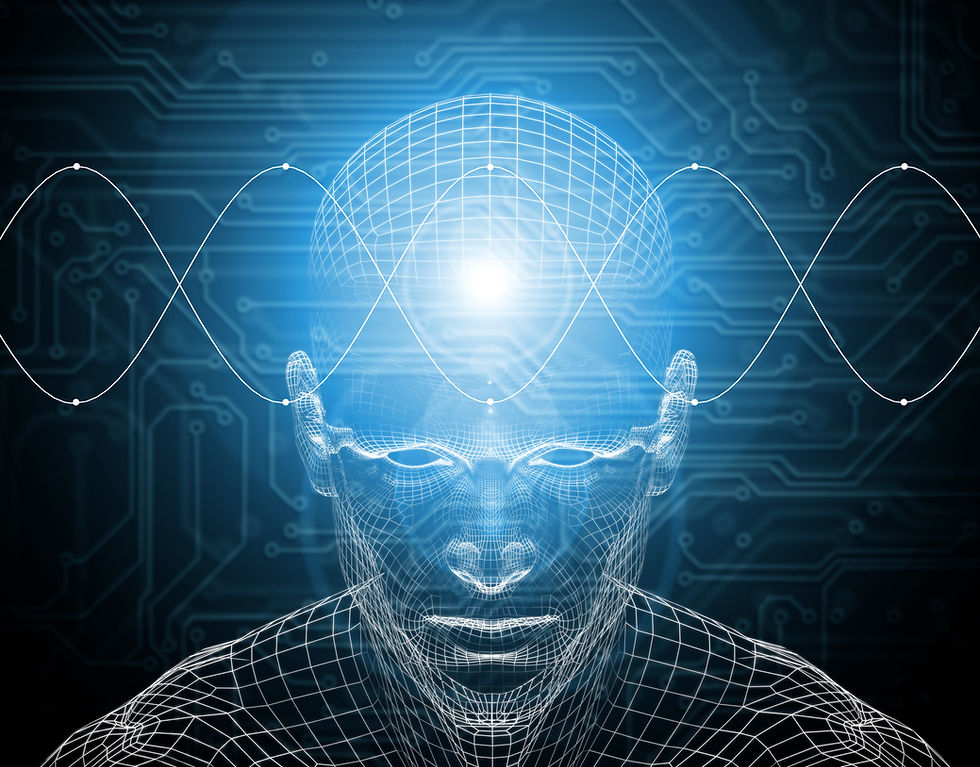
Scientists discovered that during sleep, four of your brain’s primary chemical messengers- norepinephrine, acetylcholine, serotonin, and dopamine —stop working independently. Instead, they team up to create a massive, synchronized chemical pulse roughly every 50 seconds.
Because these chemicals naturally affect your blood vessels, this 50-second pulse forces your brain's arteries to slowly contract and expand. This rhythmic "throbbing" acts as a mechanical pump, driving the cleaning fluid through the brain with enough force to sweep away the toxic proteins.

When the Rhythm Breaks
This is where modern science is undergoing a massive shift regarding aging. We used to think dementia was just an inevitable consequence of getting older. Now we know it is often a plumbing failure.
If this 50-second chemical pulse is disrupted, the pump fails. The fluid stops moving, the dishwasher turns off, and the toxic proteins remain trapped in your brain. Over decades, this accumulation damages neurons, leading to cognitive decline.
What disrupts this vital rhythm?
Chronic stress and overthinking (which keeps your stress hormones too high for the rhythm to start).
Poor cardiovascular health (stiff arteries can't pump the fluid).
Certain commonly prescribed medications that interfere with your brain's chemical messengers.
Unregulated blood sugar and metabolic decline.
The Ancient Bridge
While this feels like cutting-edge 2026 science, it is profoundly familiar to practitioners of Traditional Chinese Medicine (TCM). For thousands of years, TCM has asserted that health is entirely dependent on the rhythmic, unobstructed flow of Qi and Blood, and that cognitive decline is caused by "stagnation" and "phlegm" blocking the clear orifices of the mind.
What modern science calls a "50-second neurochemical pump," ancient medicine described as the harmonious rhythm of the body's internal energies.
In our next post, Part 2: The Heart-Spleen Connection, we will explore this miraculous bridge further—and look at how ancient medicine diagnosed and treated this "clogged plumbing" long before microscopes were ever invented.

Toegankelijkheid op een mobiel apparaat is een van mijn voornaamste aandachtspunten geworden bij onderzoek naar online entertainmentplatforms. Bij Kaasino Casino zou ik vooral willen weten of de belangrijke accountfuncties ook op een kleiner scherm gemakkelijk terug te vinden zijn. Spellen kunnen bekijken is slechts één onderdeel; informatie over betalingen, verificatieprocedures en accountinstellingen moet even goed te begrijpen blijven. Wie het platform overweegt, kan op https://kaasino-casino.co.nl de gepubliceerde functies bekijken voordat hij of zij een oordeel vormt. Ik zou niet aannemen dat een verzorgde mobiele indeling vanzelf betrouwbare transactieverwerking betekent: het zijn afzonderlijke kanten van de dienst. Op ieder apparaat zijn duidelijke instructies en transparante voorwaarden van belang. Voor mij telt praktische toegankelijkheid zwaarder dan flitsende animaties of een interface die…
Ik kwam dit platform tegen tijdens mijn zoektocht naar games waarbij geluk niet de enige factor is. Als Nederlander vind ik het persoonlijk interessanter wanneer je ook geduld moet hebben, geconcentreerd moet blijven en logisch moet nadenken. Vanuit die interesse besloot ik het platform eens nader te bekijken. Na een tijdje spelen begon ik te merken dat rustig blijven minstens zo belangrijk kan zijn als de keuzes die je maakt. Mijn indruk is dat het bij fat pirate casino vooral gaat om hoe je beslissingen neemt en vervolgens met het resultaat daarvan omgaat. Aan het begin ging het bij mij eerlijk gezegd helemaal niet goed. Ik verloor in korte tijd alles, waardoor ik meteen zag dat emoties behoorlijk wat invloed…